Thursday, December 16
Hook, Line and Sinker
Wednesday, December 15
Looking after Number One
We’re back from our holiday in Madeira, and I have to say it’s quite a shock to the system. We’ve dropped more than 15 degrees Celsius, we spent a rainy afternoon today negotiating jammed Oxford and Regent Streets buying gifts, and we returned home with damp feet to find that the heating had given up. So you won’t be surprised to hear that I’m not feeling at all present, and that I’ve been transported to our afternoon tea on the terrace of the Reid’s Palace hotel in Madeira.
Afternoon tea is an English institution, and the English seem to have taken it with them wherever they went. In Madeira, I read that some people returning from sweltering in the colonies spent a few months on that island (to acclimatise) before heading back home. With all those long afternoons in a kind of limbo, it seems quite sensible and civilised to fill your time with tea, refreshing sandwiches, little sweet things and scones.
Almost as famous as afternoon tea itself are all the rules of etiquette and ritual that go with it. Some say that to pour the tea before the milk signals a quality porcelain cup (because a cheap cup will crack), while others say pouring the milk first prevents it from being scalded. The Devonshire school of cream tea applies cream onto the scone before the jam, whereas the Cornish school applies jam first (I can’t remember which school Foodie Doctor follows, but she did tell me when we went for afternoon tea in London). The pinkie question – out or in? The Reid’s book on tea insists that it should be kept firmly with the other fingers, because “it is not an antenna trying to receive the BBC World Service”. The sandwiches should all be eaten before any of the cakes are touched. A used napkin should not be placed on the table if you step away (because it’s the hostess’ prerogative to do so to signal the end of tea).
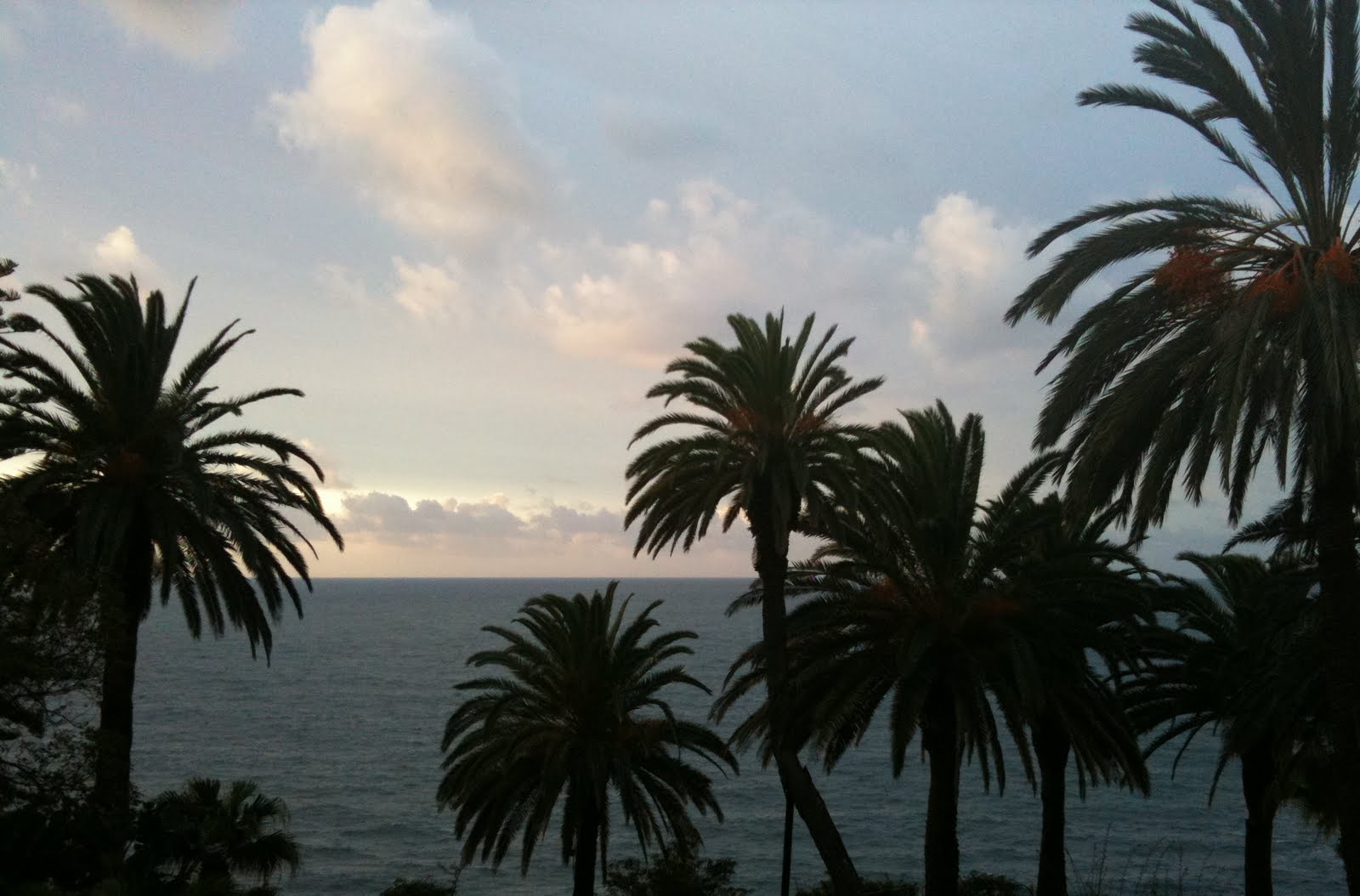
With all of this to keep in mind, it’s a wonder that afternoon tea is relaxing at all. But it genuinely is. With a view of the Atlantic, a mild temperature, and a charming Victorian terrace, I realised that I was finally learning how to holiday à l’Européenne.
Indian holidays are by and large, in contrast, nowhere near as relaxing. They usually involve having your schedule dictated to you by someone else, enduring plenty of obligation visits and errands, constant power struggles between competing (and often hidden) agendas that reach above and beyond just that one trip, and everyone piling in (invited or not) into debating every decision. I’ve had my fair share of these. I was pretty relieved to hear, though (when I mentioned this to my European husband), that he’d had his fair share of Indian holidays too. And then I watched that Thanksgiving episode of Dharma and Greg. If what I’m talking about doesn’t ring a bell, then watch that episode – they were definitely having an Indian holiday. I think I’m going to agree with the most powerful man on Earth here: “what binds us together is greater than what drives us apart”.
Love
Truffle
Monday, December 13
Letter to Madeira
Dear Truffle,
Madeira Wine
The bolo de mel made another appearance today, at the Madeira Wine Tasting we signed up for at the hotel. I know a bit about port, but not much about madeira. And so, I was hoping to learn all about the different varieties and the production processes, but sadly the event was more of a quick sales pitch to the gathered OAPs (and us) that ended in a reminder that there is a madeira wine shop at the airport, so that you can buy more than a hundred mls of the stuff...
Nevertheless, we did learn a little something. We tasted one medium dry wine (on the right in the photo above) and a medium sweet (pictured on the left). The medium dry was very traditional and pretty indistinguishable from most medium dry sherrys I've tried before (it even came in a bottle that looked like it belonged in one of those unventilated liquor cabinets). The medium sweet, on the other hand, came in a young, slim bottle, and it tasted modern and smooth - to make this Alvada, they broke the madeira wine-making rule of not using more than one grape variety and blended Bual and Malmsey grapes.
A few other interesting facts:
* Age - If the bottle indicates a number of years (e.g., 5 years), that's not actually the age of the wine in the bottle. Madeira wines are typically blends of wines of different ages (but of one grape variety), and the age on the bottle is actually an average of the ages of the different components that have been blended to make that particular wine. If, however, the bottle states a particular year, that means the wine in the bottle is not a blend, and the year on the bottle is the year of harvest and bottling.
* Ageing - Madeira wine is aged in American oak barrels, not in the bottle. Port wine, in contrast, is bottled within about 2 years of harvesting and aged in the bottle. (So are all these madeira wine producers sitting on a bunch of unsold stock?!) The youngest is Harvest (5 to 10 years), followed by Colheita (10 to 18 years), followed by Vintage (the oldest Vintage is apparently 115 years old).
* Origins - All those days ago, wine was transported from Madeira to the West Indies by ship, and they realised that the wine had a special bouquet and flavour by the end of the journey. Initially, they put it down to the sea air, but it was discovered that it was the higher temperatures during transit that were responsible for imparting that special something. As a result, the best wines (which will go on to become Vintages) are stored in the producers' attics, not the cellars.
* Types - Madeira wines come dry, medium dry, medium sweet and sweet. We were told that, despite the reputation of madeira wine as a fuddy duddy dessert wine, the dry varieties can actually be had with sushi and salad. If anyone dares to try this, please tell us how it is!
* Production - Much like port, madeira wine is made by fermenting grapes and stopping the fermentation process at a certain point by adding an alcohol which kills off the yeast. Now, grape alcohol is used, but in the past, they used to use a rum made from sugar cane (a variety of aguardente). Sugar cane was widely cultivated in Madeira after it was introduced to the island by Henry the Navigator.
* Storage - Where port needs to be stored sideways, madeira wine should be stored upright. If you have a vintage, the cork should be replaced every 20 years or so. Once opened, it can be kept for 18 months.
The most well-known producer of madeira wine bears the most uninspiring name of Blandy's. Blandy's is now getting a leg up in the export world with the help of the Symingtons, who own famous port names such as Dow and Warre.
There you have it. If you feel like trying some madeira wine, grab a bottle of Blandy's Alvada and have it with a sweet molasses cake. If your taste is more for dry, try a Verdelho with some cheese.
Saúde!
Love
Truffle
Friday, December 10
Island Treats
Hi everyone. I'm sorry to have been missing for a while - I've come to Portugal for a family visit.
After spending some time in the Algarve, we arrived in Madeira this afternoon, for some pre-Christmas R&R. Madeira is an island paradise in the Atlantic. It belongs to Portugal, but being off the coast of Morocco, it feels more like the beginning of Africa than the end of Europe. The volcanic earth has yielded all manner of colourful and plentiful flora: gigantic cactus plants, towering palms, shrubs bursting with bright red flowers and broad, stiff leaves - it's almost prehistoric.
In the taxi from the airport, we were being told all about the local food. Names like 'espada' and 'espadete' whizzed past me as I tried to take down notes in my iPhone (one index finger can only go so fast...). We have three days to explore the food (and the island), but until then, I wanted to share with you the welcome treats in our hotel room: some Typical Madeira cakes. I particularly liked the queijadinha, which was like a light sweet-savoury cheese puff atop a light but firm pastry base. The bolo de mel was good too, and very Christmassy, with its spicy sweetness.
I'm typing this in the hotel's business centre and it's just past 10.30. After two flights to get here and an Italian dinner, I think it's time for bed...
Love
Truffle